
Our mission
A business that exists for its village.
The whole profit, not a share of it.
The estate is built as a social enterprise. 100% of profit returns to Kasarani, the village on the shores of Lake Naivasha whose young people built these three villas, staff them now, and are being trained inside them. Not a portion, not an annual pledge — it is how the company is built.
The numbers are plain. The estate is fully open, and 2026 is its first profit year. From this year forward, the return to the village is audited independently, year on year.
What follows is not a list of causes the property donates to. It is work the people behind the estate have been doing in Kasarani for years — three organisations, a fund, and an apprenticeship we run ourselves — and the money is the smaller part of it.
First, the village.
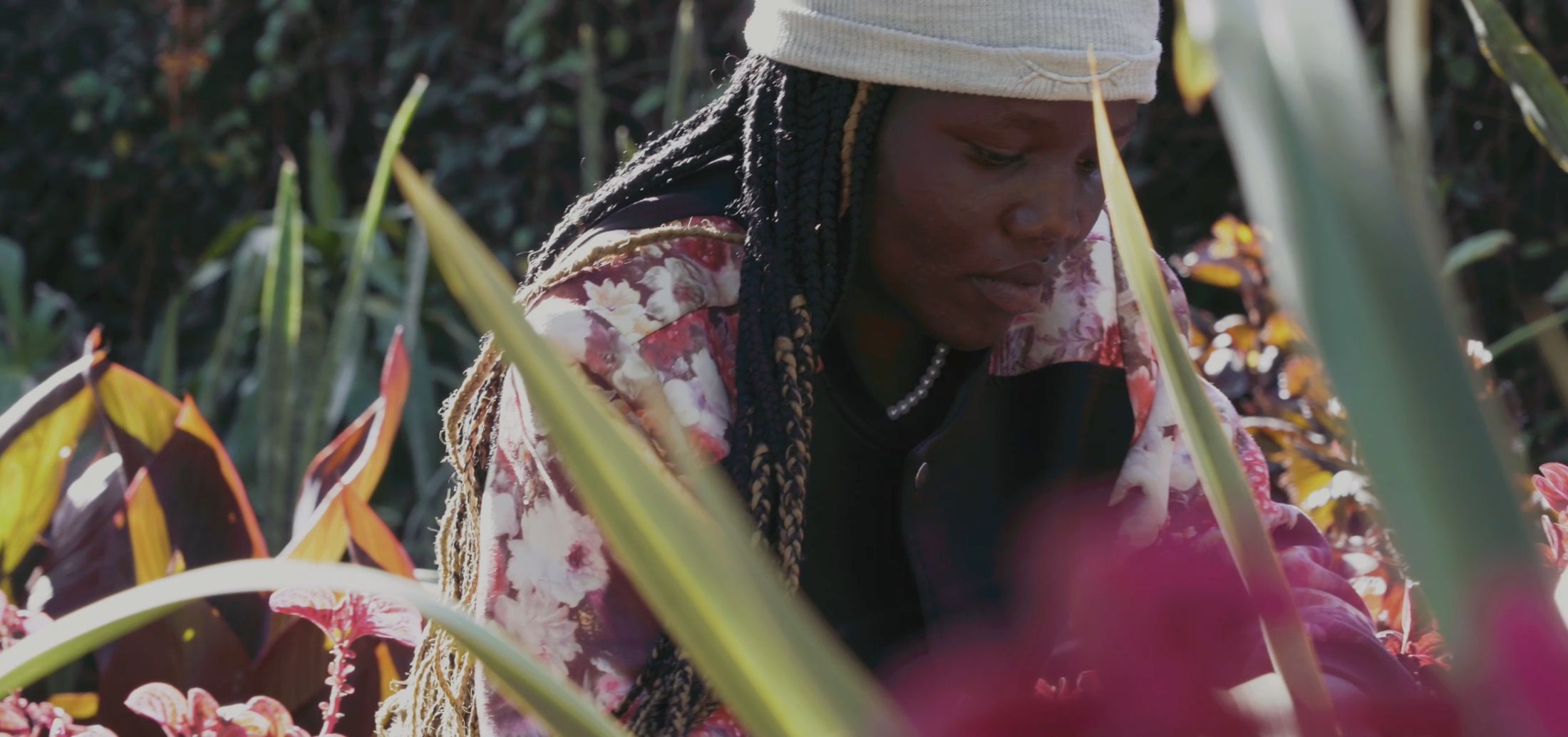
Kasarani sits between the flower farms and the lake — the greenhouses that supply Europe with cut roses on one side, Lake Naivasha on the other. Its young people grow up beside the landscapes that draw visitors to Kenya from everywhere — and many of them never see those landscapes themselves.
The village’s difficulties are specific: drug abuse among teenage boys, the school drop-outs that follow it, early pregnancy among girls, families held together by one parent. What is just as real is harder to photograph — a seriousness about education, fierce love inside households that have very little, football on the dirt pitch in the late afternoon, and a generation of local teachers who left on scholarships and chose to come back. They are the people who built the work on this page.
The village, in its own words.
Interviews with the young people of Kasarani, filmed on its own streets and its own pitch.
Football on a mission.
TAFA — Talanta Africa Football Academy; talanta is Swahili for talent — was founded in 2019 by four Kenyan teachers who had grown up in or near Kasarani, and who saw that the one thing that reliably filled the village halls and touchlines was football. The rule, from the first day: no school, no football. More than three hundred children and teenagers have come through it since.
Of the four founders, Sammy remains — the eldest of nine, who once walked fourteen kilometres a day to school and now leads the football side of the work. Around him, the academy is increasingly run by people it raised itself. The girls’ teams are taken as seriously as the boys’: the same pitch, the same coaches, the same rule about school.
The academy’s own film.
Their film, not ours — made on the pitch at Kasarani.
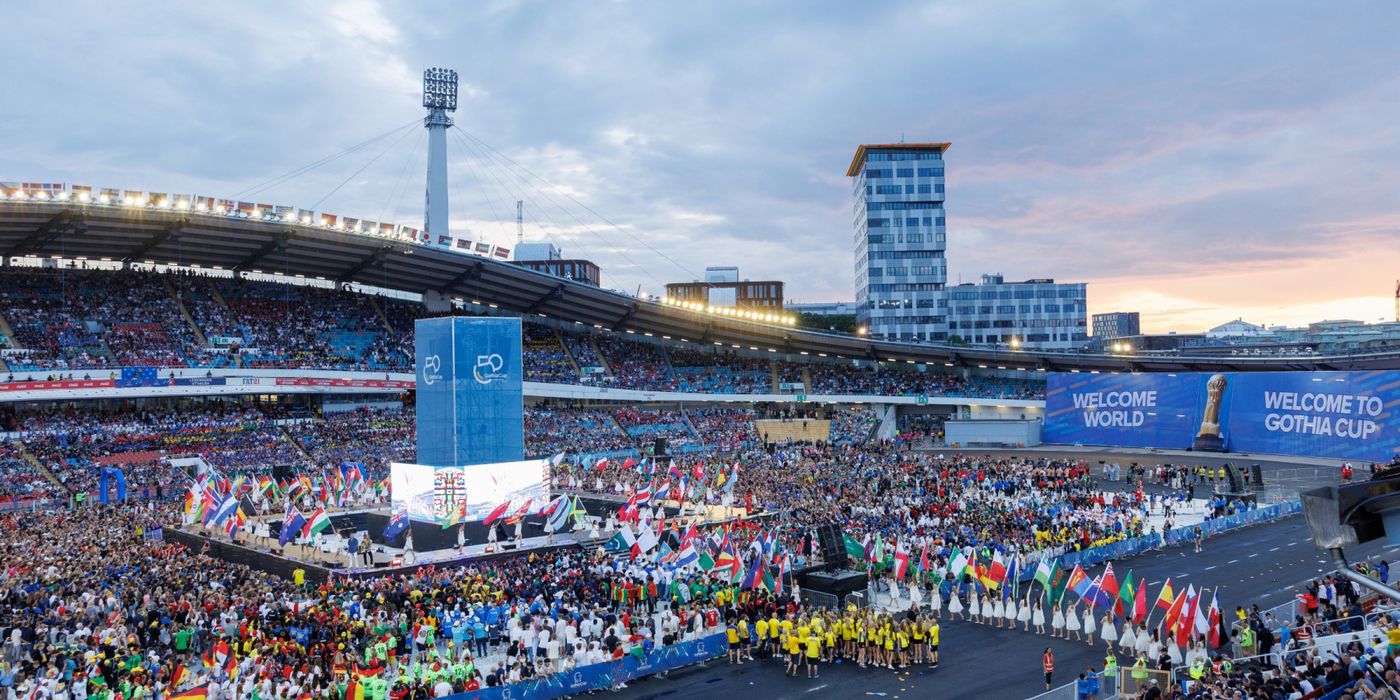
Sixteen of them walked into Ullevi Stadium.
In July 2025, sixteen TAFA players under fifteen travelled to Gothenburg, Sweden, for the Gothia Cup — the world’s largest youth football tournament — most of them on their first flight. The opening ceremony is held before a hundred thousand people.
The quieter work is daily.
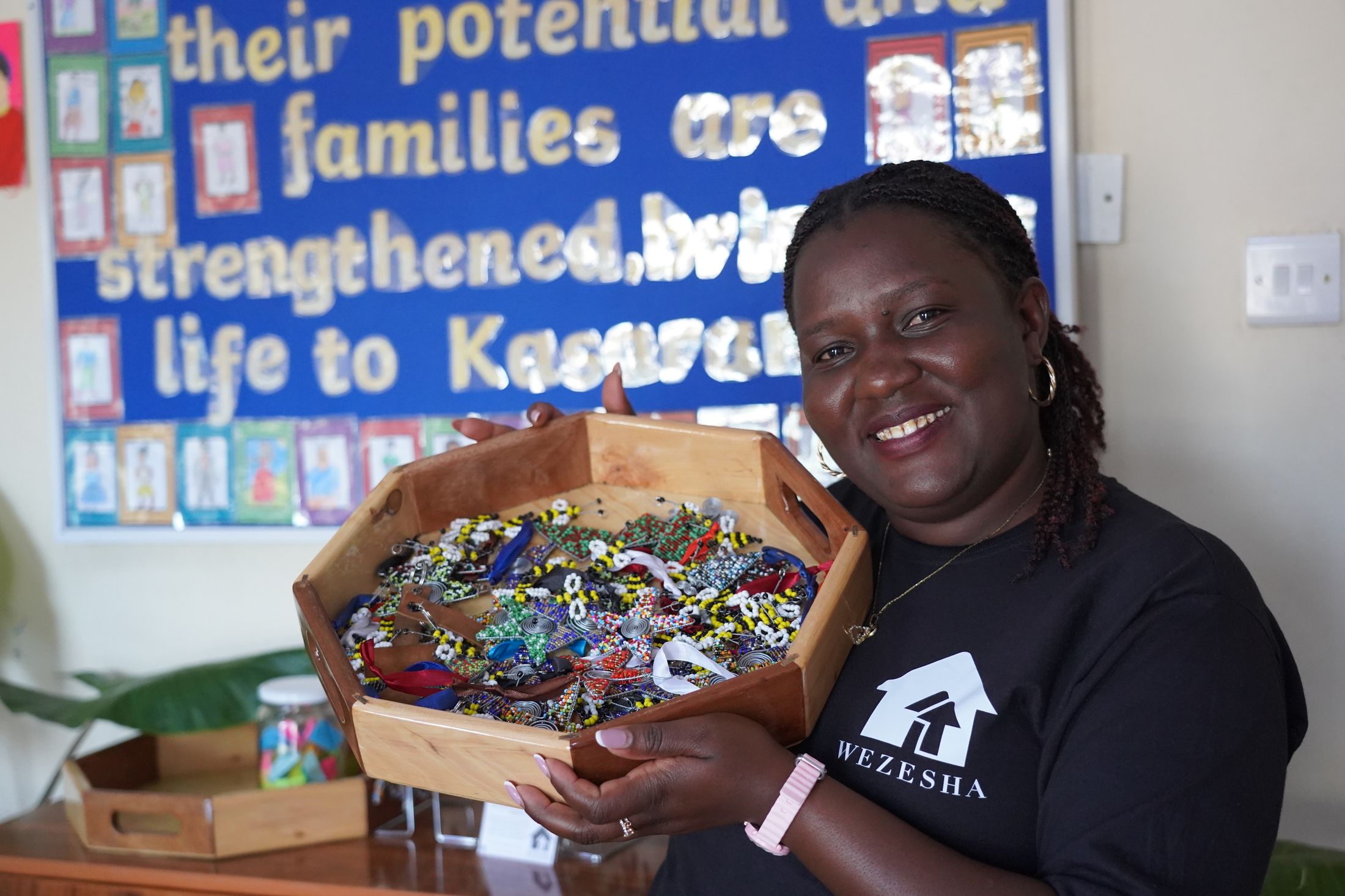
Wezesha Center is a community organisation in Kasarani, run by Sarah, a Kenyan clinical psychologist with years of work among young people carrying addiction and trauma. Its four pillars — Learning Together, Caring Together, Growing Together, Thriving Together — put mental health at the centre of everything else it does. More than a hundred young people hold Wezesha scholarships at any one time; tutoring runs alongside, and families are met and known by name, year after year.
A year that widens the world.
Since before the estate existed, the family behind it has partnered with Crossroads Foundation, a Hong Kong non-profit founded in 1995. Young leaders from TAFA and Wezesha — most of whom have never travelled beyond Nairobi — go to Hong Kong for a year of mentored volunteer service there, and are then sponsored through university in the field the year showed them. The fund calls it the Leadership Exchange: seven young leaders have made the journey since 2022, and five are now at university in Kenya. Jackie and Fred came home first — one studying psychology, the other special-needs education — and both now serve at TAFA, raising children who are where they themselves were ten years ago.
The fund behind the fares.
Talanta Africa Fund, a US-registered non-profit, pays for the things none of this happens without: the flights, visas and board of the Leadership Exchange year, the university sponsorships that follow it, school and college scholarships in Kasarani, and — together with TAFA — the journey to Gothenburg. The fund publishes its work, its numbers and its giving policy at talantaafrica.org; every donation goes to the projects, with the running costs carried separately.
Next: the water.
All three of the village’s boreholes carry natural fluoride at two to nearly three times the safety limit — Rift Valley geology, invisible in the glass, hardest on teeth and on the youngest children at exactly the ages that matter most. It is the kind of problem no single family can fix, and until recently no one had measured it properly.
The fund’s newest project changes the water itself: a solar-powered treatment plant and a community-owned kiosk selling safe water at village prices — free to pregnant women and to families with young children. The first phase is due by the end of 2026, built with the water NGO Water for the World.
Trained inside the working estate.
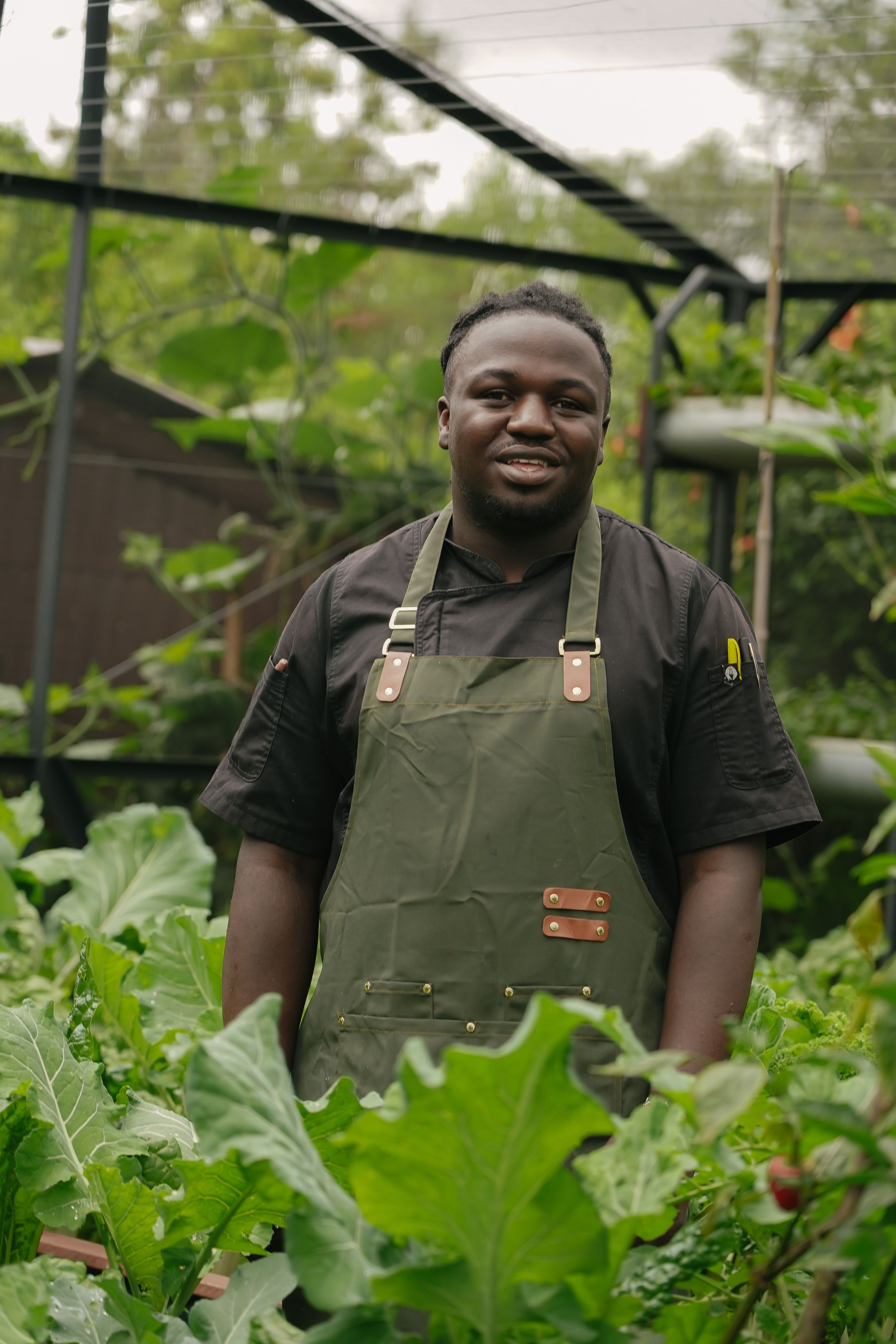
The last strand we run ourselves. Each year, the O’Leleshwa Hospitality Apprenticeship takes a small number of young people from Kasarani and the surrounding community — TAFA graduates, Crossroads alumni, young people who stayed on after the build — and trains them inside the running of the property. The first cohort holds four positions: assistant chef, butler, housekeeping and gardening. Each apprentice is paired with the senior member of the team who carries that role and its standard, and the teaching happens on the job, in the middle of real service.
An apprenticeship runs six months for a gardener, two years for an assistant chef. When you stay, the host who greets you may be an apprentice; they will tell you so themselves, with their name and the role they are learning. Guests, we have found, ask after their progress at breakfast.
The programme is run with Lodgistics, alongside Jenetta Barry and the senior team, and it is built to send people onward. An apprentice who meets the standard leaves with a certificate we award sparingly — and, we expect, a place waiting at the strongest houses in East and Southern Africa.
Vivian is one of the first. A TAFA member from Kasarani, sponsored by Talanta Africa Fund through her diploma at the Amboseli Institute of Hospitality and Technology, she took holiday work with the build crew while she was studying, and is now the kitchen’s apprentice — the two-year training, beside the chef. Her path runs through every organisation on this page.
The friendships came first.
More than fifty Kasarani apprentices laid the dry-stone walls; many stayed to run the houses. The friendships behind all of this were made years before the property was bought; they do not depend on it.
We are happy to be questioned.
We publish what we can substantiate; nothing on this page is aspiration dressed as fact. The programmes are operational, the partners are partners because we work with them, and the audited accounts of the profit return will exist from 2026 onward. To read them, write to us and ask. Talanta Africa Fund’s own filings are already public — it is an IRS-recognised 501(c)(3), readable through ProPublica’s Nonprofit Explorer. And on the fund’s site, O’Leleshwa appears with a description we are proud of: the one project you cannot donate to, because it is the one that donates to the others.
That is the whole arrangement: you have a very good week, and the profit goes home to Kasarani.