
Lake Naivasha · The Great Rift Valley · KenyaLake Naivasha · Kenya
The Place
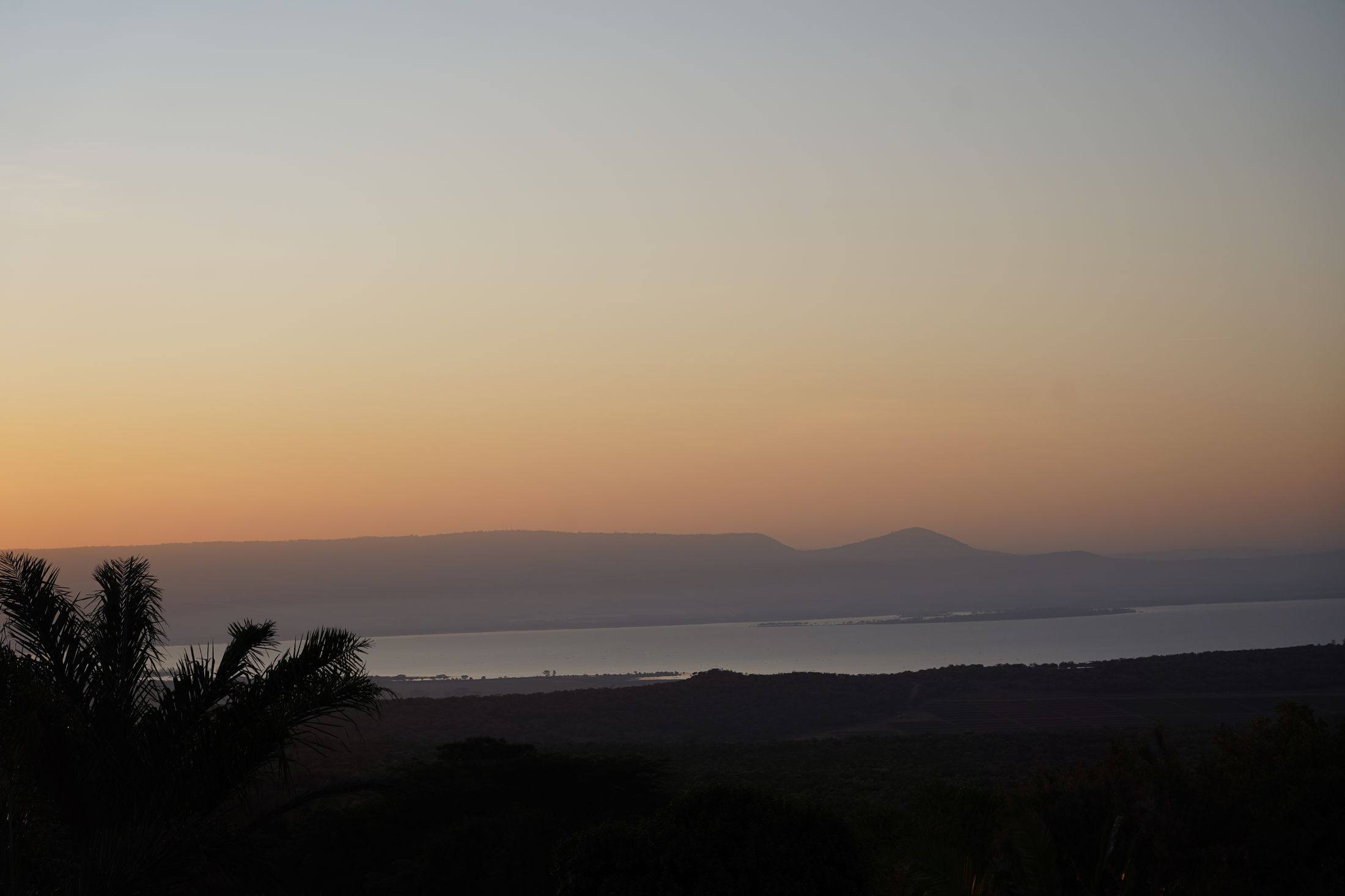
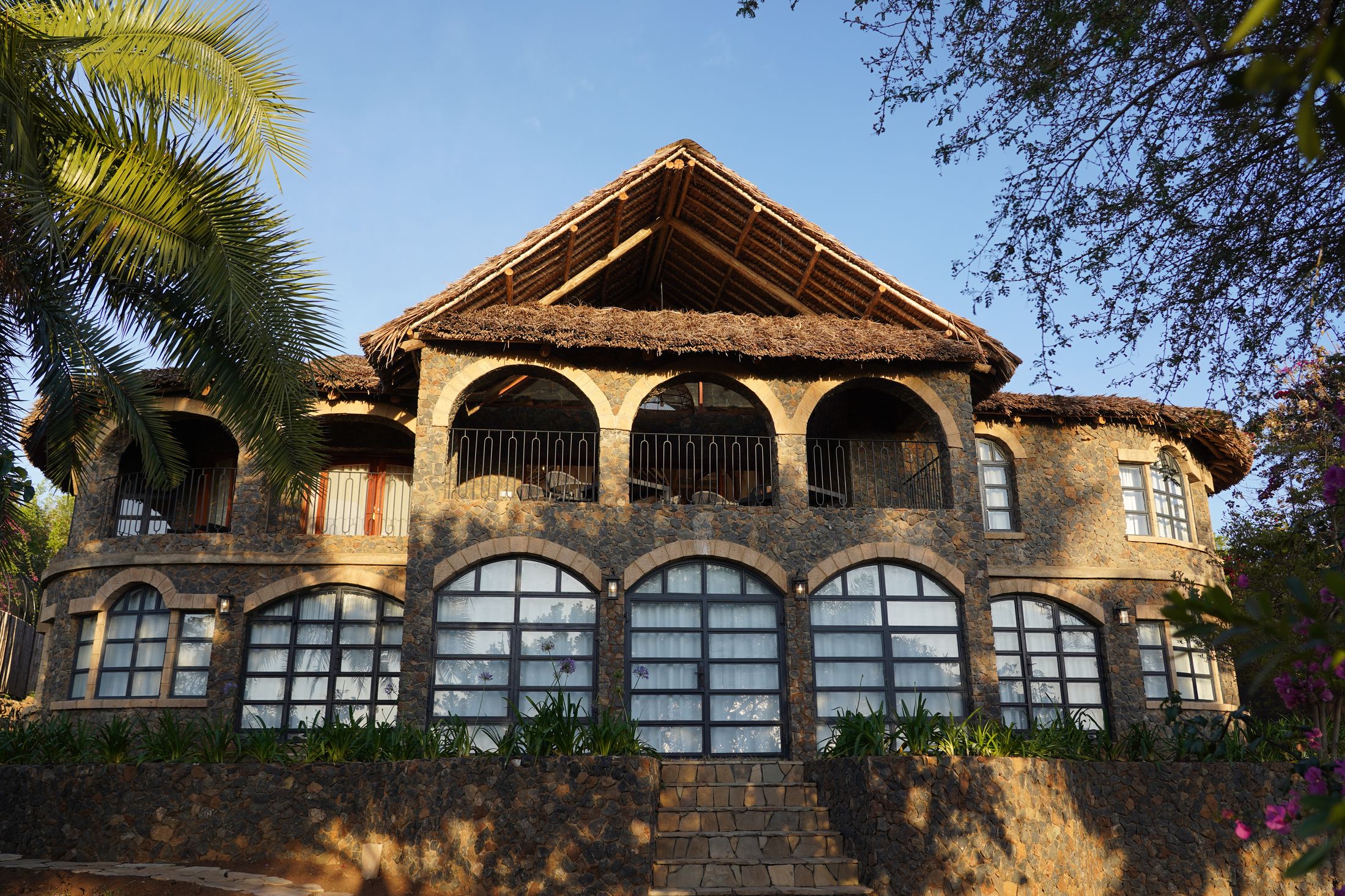
O’Leleshwa sits on a hill above Lake Naivasha, on the edge of the Great Rift Valley — with some of the most varied country in East Africa beyond the gate.
The O’Leleshwa Circuit →The slow tearing of a continent.
The Great Rift Valley is six thousand kilometres of geological scar, running from the Jordan Valley to Mozambique — visible from space, and written in the dust where the first hominins walked.
Lake Naivasha sits near the centre of its Kenyan stretch: the highest freshwater lake on the Rift floor, fed by mountain rivers and underground springs, watched over by volcanoes. It is one of a chain — Elementaita, Nakuru, Bogoria, Baringo — each lake with a different chemistry, a different colour, a different bird life, all within a few hours’ drive. To the east, the wall of the Aberdares — Kenya’s second-highest range — closes the horizon; to the north and west, the volcanic massifs of Eburru and the Mau hold the ridge.
The land between is working land. The geothermal field at Olkaria is the largest in Africa — on a clear day its steam plumes stand as tall as the mountains around them — and papyrus swamps fringe the lake where hippos move at night. And the valley is still moving — widening by a few millimetres a year.
Most travellers know the Maasai Mara to the south and Laikipia to the north, and have long assumed that Naivasha, sitting between them, is the road rather than a destination. The assumption is wrong. Equidistant from the Mara and the northern conservancies, Naivasha has its own geology and its own light — and a fraction of the traffic.
A hill above the lake.
The estate is enclosed by stone walls; inside, the gardens belong to birds and small wildlife — sunbirds, weavers, the occasional bushbuck. Walk out the gate at first light and the surrounding country is yours: as long as no plane is due, the grass airstrip below the hill is open walking ground, and the wildlife — antelope, zebra, sometimes more — is out on the open ground in the cool of the morning.
Getting here is simple. Ninety minutes from Nairobi by road; forty minutes from the town of Naivasha, a working centre, useful rather than romantic. Charter flights from Wilson Airport land on the airstrip at the bottom of the hill — a five-minute walk from the villas, on ground the estate donated to the area. Safarilink’s scheduled flights land at Loldia Field, a ten-minute drive away.
Longonot holds the southern horizon.
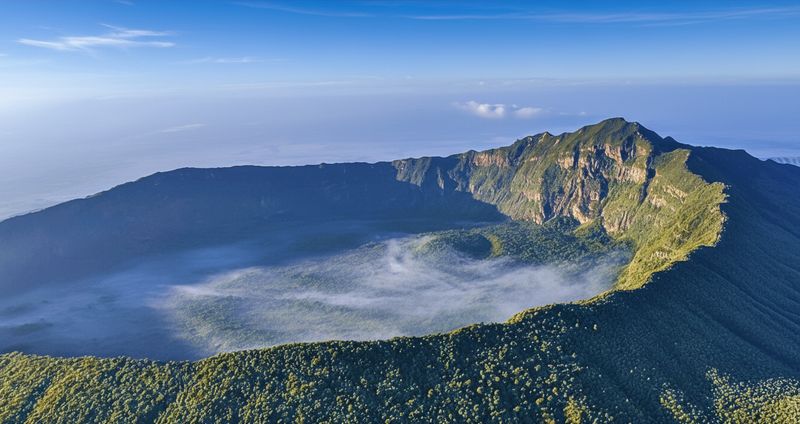
A near-perfect cone rising eight hundred metres straight off the valley floor, Mount Longonot stands across the southern view from every villa terrace. It is semi-dormant rather than extinct — steam still leaks from the rim, and the caldera below it is dense forest.
The heartbeat of the Kenyan circuit.
The O’Leleshwa Circuit.
Within an hour or two of the estate: volcanoes, alkaline lakes, forest, open plain and a working valley floor. None of it is required — if your day is a long breakfast, a swim and a long table at sunset, the day is complete.
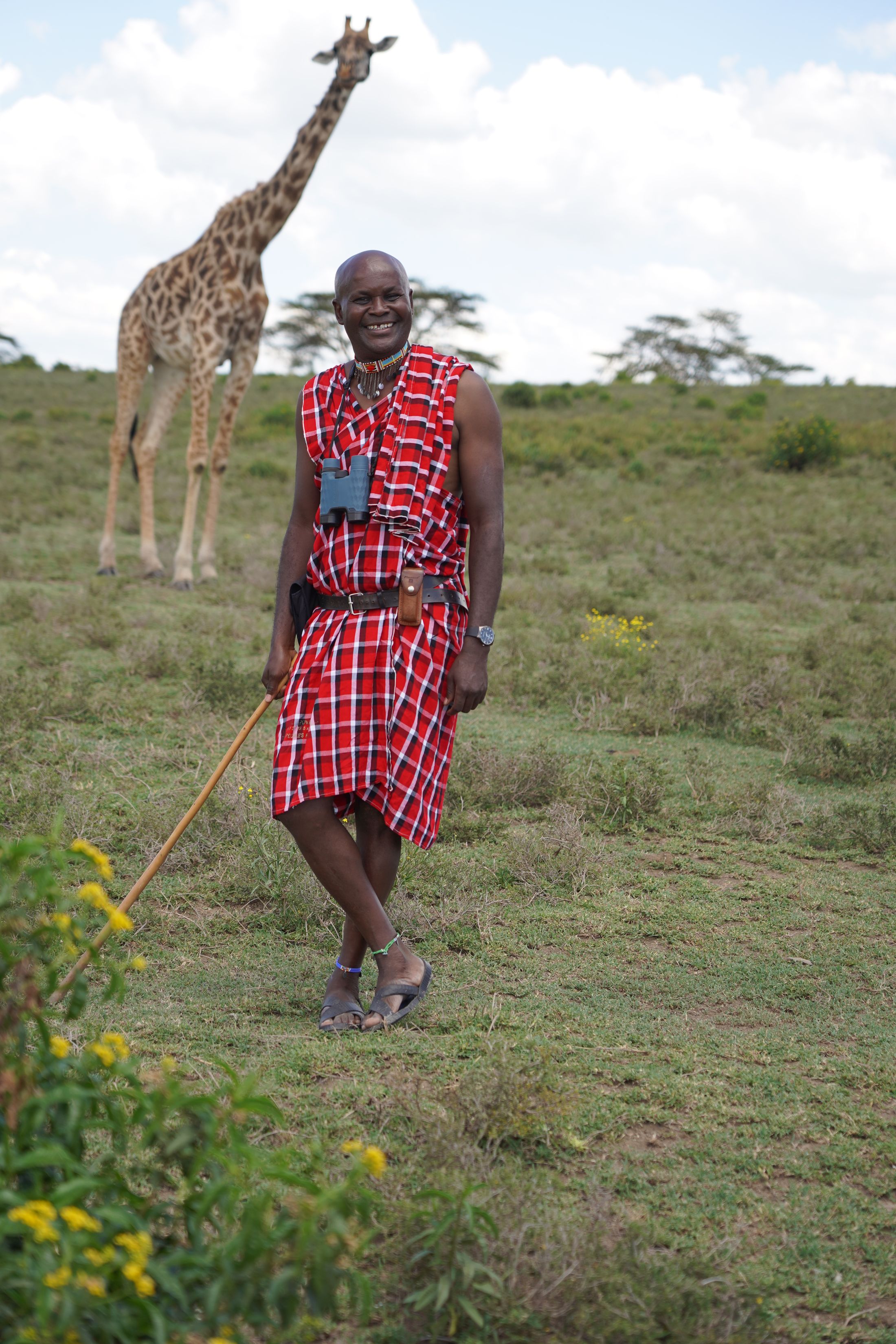
For those who do go out, the region rewards it — most of all on foot. Nearly everything below is walking, cycling or riding country; the wildlife in this corner of the Rift is unusually approachable on foot; the landscape is configured for it. A vehicle is always available. It is usually not the answer.
The list runs outward from the gate.
Birds along the lake
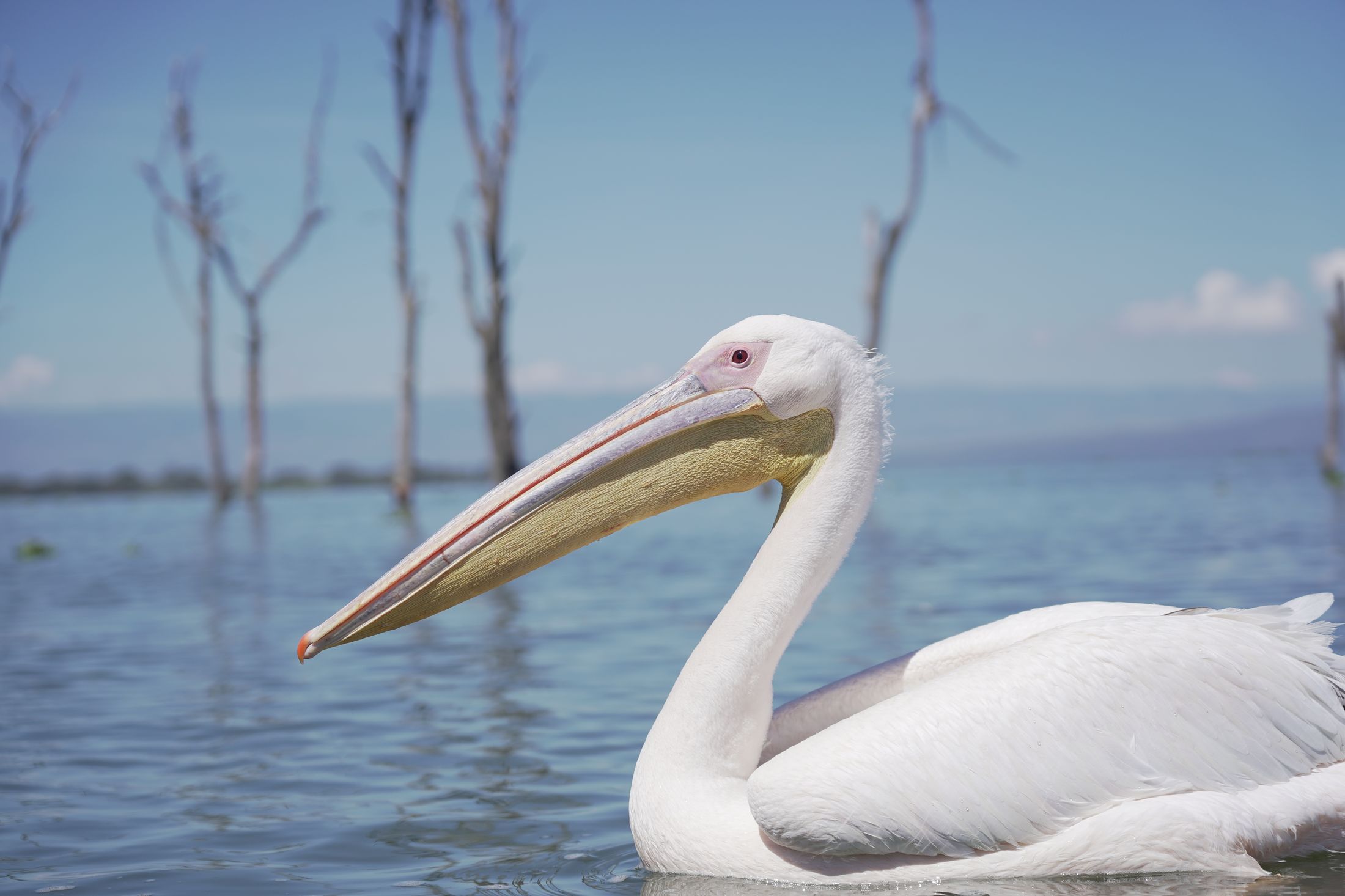
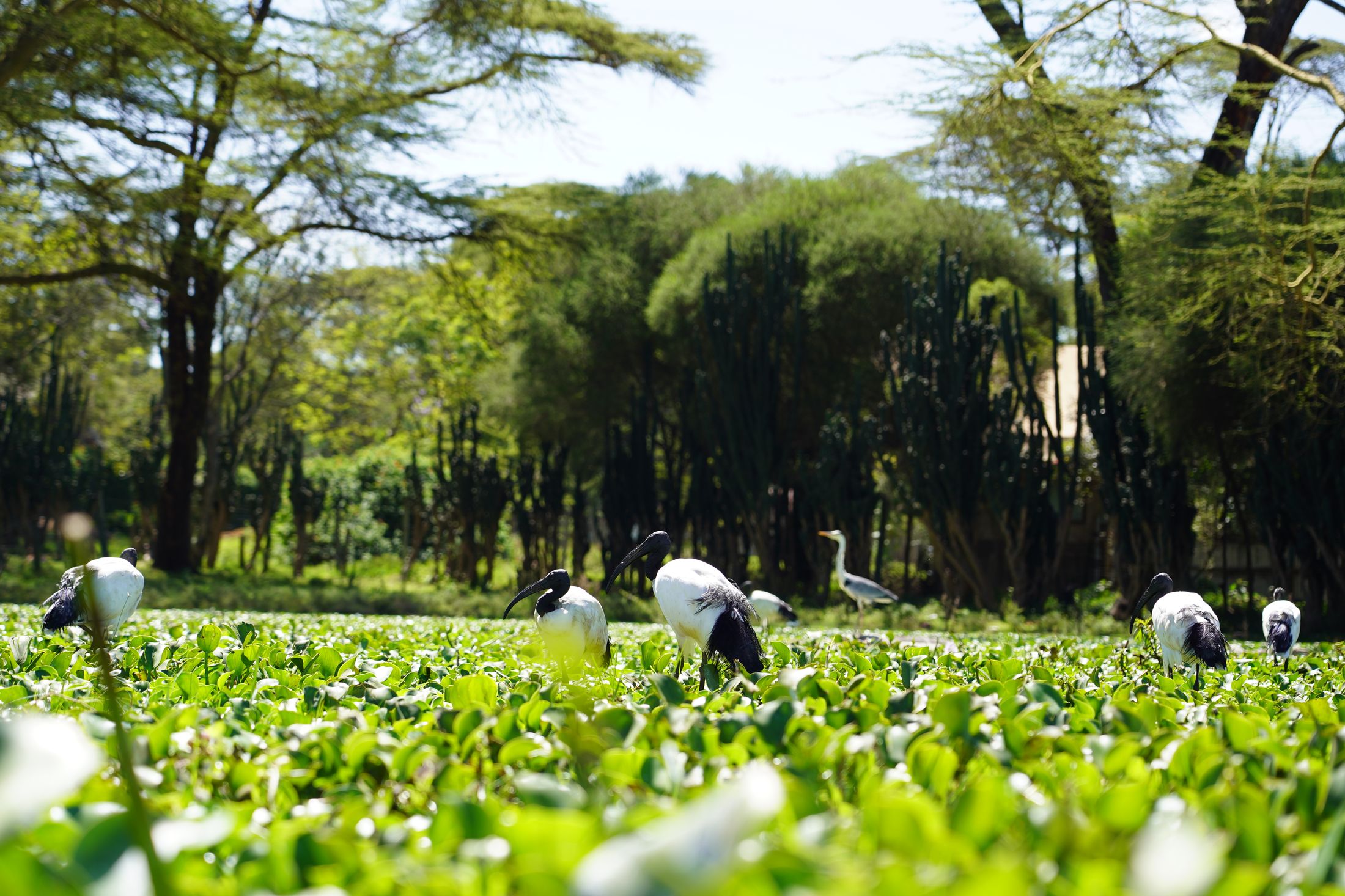
Lake Naivasha and the country around it is one of the great birding regions of East Africa: over four hundred species along the lake and its margins, and what is reported to be the highest concentration of African fish eagle anywhere in Kenya. Grey crowned crane, pied and giant kingfishers, the jacana that walks on the water, Goliath heron at the lake edge, weavers, sunbirds — and a season for each. Many of the best birds appear on the estate itself; more within a few minutes’ walk, in the tall wild grass beyond the gate. A guided birding morning can be arranged with one of the region’s serious specialists — or with Joseph the butler, who is also a trained field guide.
Kasarani Village
The village most of the team calls home, a few minutes from the gate — and the visit guests mention longest afterwards. Walk it with someone who grew up there: the youth football academy, the workshops, the daily business of a modern Kenyan village. You go as a neighbour’s guest, not as an audience; all of the estate’s profit returns here, and the mission page tells that story. Easily arranged with a day’s notice.
Great Rift Valley Golf
The championship course sits directly beside the estate — guests drive through it on the way in. Eighteen holes set against the Rift escarpment — a course often called one of the most scenic in Africa — with zebra and impala grazing between the fairways and the valley opening out at every elevated tee. Tee off in the morning; back at the villa by noon.
Mount Longonot
Two hikes are possible: a two-hour climb from the base to the crater rim and back, or a four-to-five-hour route round the full circumference of the rim, looking straight down into the caldera. The estate serves as basecamp — you leave at first light and return to a hot bath, a long table, and someone who has been thinking about lunch.
Loldia Flower Farm
Naivasha grows a meaningful share of the cut flowers that arrive in European markets each morning, and Loldia Farm — a family-run rose grower a few minutes from the estate — is the trade at first hand. A walk through the greenhouses with one of the farm’s guides covers the rose varieties, the timing of the harvest, and the economics that have shaped this end of the valley. Guests leave with an armful of roses.
The Naivasha Raptor Centre
A rehabilitation centre for rescued birds of prey — injured raptors taken in, mended, and flown again. An hour here changes the way you watch the fish eagles for the rest of the week.
Crater Lake Game Sanctuary
A jade-green volcanic crater lake inside its own walking-only conservancy, where giraffe, eland and gazelle can be approached on foot, guide optional. The right kind of soft adventure for families with younger children, or for anyone who would rather not spend the day in a Land Cruiser.
Oserengoni Wildlife Sanctuary
A private conservancy on the northern shore, carrying more than fifty mammal species — leopard, Grevy’s zebra and serval among them. The game drives leave early, which is when the animals are out.
Eburru and the Mau forests
One of the last stretches of the great Mau forest that once ran the length of this side of the Rift: volcanic country, montane bird species, natural saunas in the geothermal vents, and hiking often called some of the wildest in Kenya. Run by the Eburru community — guides come from the village, fees go back to it. The forest also shelters the bongo, an antelope now found in only a few corners of Kenya. Walks are guided by armed rangers because of buffalo.
Hell’s Gate National Park
One of the few Kenyan parks where visitors walk or cycle among the wildlife — no vehicle required, guide optional. Its centrepiece is the gorge that inspired The Lion King — sandstone cliffs and rock towers you walk between. Within the park, the Olkaria Geothermal Spa is a natural hot pool fed by the earth’s own steam.
Sanctuary Farm
A working farm and conservancy on the southern shore, with an unusual house specialty: riding among the resident giraffe, zebra and antelope on horseback, a trained guide alongside. The horse moves through the herd as one of them; the animals tolerate it as they never will a person on foot — a different vantage from everything else on this list. This is also where the bush breakfast happens: a table laid in the open, game grazing in sight of the coffee pot.
Mount Suswa
A rare double crater — a second cone standing inside the caldera — with a system of lava caves running beneath it. The land is Maasai. A full day, out and back.
Crescent Island Game Sanctuary
A peninsula on Lake Naivasha — an island in high water — reached by a drive to the far shore and a short boat crossing, both arranged by the team. Once there, it is walking only: no vehicles, no predators. Stand in the middle of the herd, metres from a giraffe, eye level with a wildebeest, surrounded by zebra that pay you no mind. Out of Africa was filmed here, and the animal density per acre is among the highest in Kenya. Best at golden hour, when the giraffes catch the light against the lake.
Lake Nakuru National Park
Two things bring people here: the lake, fringed in season — roughly June to October — with greater and lesser flamingos in numbers that have been called the greatest bird spectacle on earth; and one of Kenya’s most reliable black rhino populations, alongside white rhino in the same fenced sanctuary — with Nakuru’s lions, known for climbing the yellow-barked acacias, a frequent third. A full-day excursion, and the most conventional game drive on this list — appropriate when conventional is what you want.
Menengai Crater
One of the largest calderas in the world, and the walking is on the rim — the crater floor falling away on one side, the valley on the other.
Soysambu Conservancy
A working ranch on the historic Delamere estate, where wildlife shares the land with cattle in a quieter, longer-established model of conservation than the big parks practise. Leopard, the small lion population that crossed over from Nakuru in recent years, and one of the last refuges of the endangered Rothschild’s giraffe. Walking, riding, and the rare experience of being nearly alone in a landscape holding thousands of head of game. The lake at its centre, Elementaita, is alkaline rather than fresh, so its bird life is altogether different from Naivasha’s.
What ties the circuit together is the altitude and the air. At 1,884 metres the light is mountain light without the cold, the nights are properly dark, and the ground underfoot is some of the oldest walked country on earth.
The valley keeps its distances short. Three villas sit at the centre of the circuit, each taken whole.